Claim Your Free Roof Inspection Today
Track Down and Seal leaks with Proven Roof Repair Services in Dallas, TX
The spot where water appears inside your home may be several feet away from where it entered the roof. Water can move beneath shingles, around flashing, or along other materials before a ceiling stain finally gives the problem away. Covering the visible spot without finding the entry point can leave the actual cause untouched, allowing moisture to keep moving through areas you can’t see. Wind, hail, missing shingles, exposed nails, worn sealant, and damaged flashing can create other concerns even when your ceiling is still dry. Our roof repair services in Dallas, TX, start by investigating the roof rather than making assumptions based on one visible symptom.
Outback Roofing, LLC begins with a roof condition assessment and a closer look at shingles, flashing, penetrations, vents, skylights, chimneys, roof edges, gutters, and related exterior components. When a leak is involved, we work to identify its source before discussing the appropriate repair. Photos can document problems we find and give you something concrete to review instead of relying on a description from the ground. Appropriate work may include replacing damaged shingles, repairing flashing, or sealing and waterproofing vulnerable areas. Once repairs are complete, we review the work and help you understand anything else on the roof that may deserve attention.
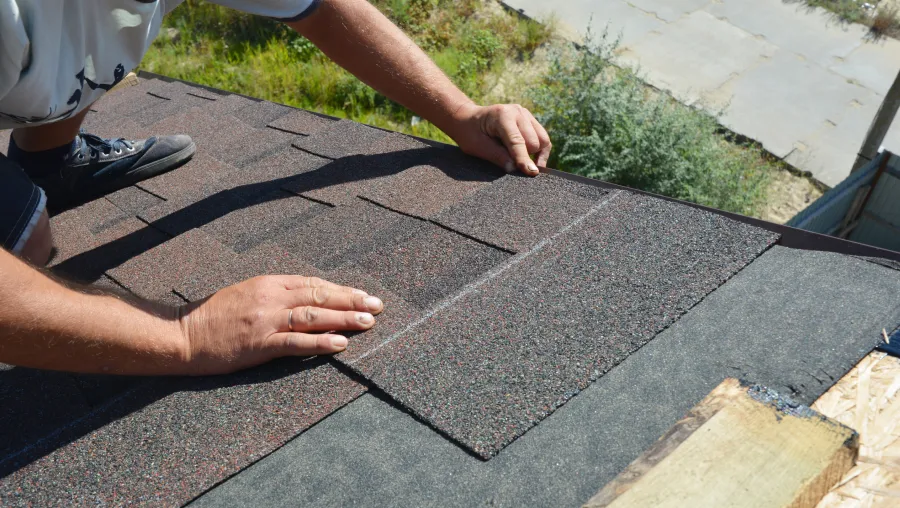
Find the Source Before Fixing the Symptom
Good roof leak repair starts with figuring out how water is getting into the roofing system. A ceiling stain tells you moisture has reached the interior, but it doesn’t necessarily identify the entry point. We examine the surrounding roof for damaged or missing shingles, improperly seated or exposed nails, worn flashing, and vulnerable penetrations. Chimneys, skylights, vents, fascia, gutters, and roof edges can also provide clues during the investigation.
Not every problem requires the same type of roof repairs. A damaged shingle may call for replacement, while another roof may need flashing repair or sealing around a penetration. We also consider the surrounding condition because repairing one isolated spot without noticing deterioration nearby can leave a homeowner with unanswered questions. Unlike roof repair companies that might focus only on the most obvious symptom, our goal is to show you what we found and explain the work being considered. That way, you can understand the problem before deciding how to address it.
- Trace the Leak Carefully: Water can travel beneath roofing materials before appearing indoors, so we investigate the likely entry point and surrounding components rather than simply treating the ceiling stain as the source.
- Check Common Trouble Areas: We inspect shingles, flashing, vents, skylights, chimneys, penetrations, exposed nails, gutters, roof edges, and fascia for visible conditions that may contribute to leaks or other roof problems.
- Repair the Area That Needs Attention: Depending on the findings, work may include damaged shingle replacement, flashing repairs, sealing, or waterproofing. The repair is based on the observed condition rather than a predetermined answer.
- Document and Review the Work: Photos can help show identified problems before work begins, and a final review gives us an opportunity to check completed repairs and discuss other visible conditions worth monitoring.
Get the Roof Checked Before a Small Clue Gets Bigger
A roofing problem is easier to discuss when you know where it starts and how much of the system it affects. That’s especially important after strong winds or hail, when damage can be present without an immediate leak inside the house. We recommend documenting suspected storm damage and having the roof inspected so you have a clearer record of its condition. If the issue is localized, repair may be enough to address it. If our inspection points to broader deterioration, we’ll explain what we see instead of pretending another patch will solve a larger roofing problem.
Outback Roofing, LLC is a veteran-owned and family-operated local business with more than 10 years of roofing industry experience. We use photographs and straightforward explanations to help homeowners understand the condition of their roof and the reason behind proposed work. You can also start with a free inspection if you’ve noticed a stain, missing shingles, storm damage, or another change that has you wondering what happened overhead. There’s no reason to diagnose a leak from inside the house or guess from the driveway. Have us take a closer look. Outback Roofing, LLC is ready to help homeowners make informed decisions about roof repair services in Dallas, TX.
Ask About Roofing Financing Options
Planning a larger roofing project? Qualified homeowners can explore available financing.
Frequently Asked Questions About Roof Repair
-
The place where water appears indoors isn’t always directly beneath the roof entry point. Moisture may move beneath shingles or along other materials before becoming visible. Our inspection looks at the surrounding shingles, flashing, penetrations, vents, skylights, chimneys, and other likely trouble areas to help identify the source.
-
No. Some leaks are caused by localized problems that may be addressed with repairs, while other leaks can be signs of broader deterioration. We inspect the condition first so you can understand whether a repair is appropriate or whether there are larger roofing concerns worth discussing.
-
Depending on the roof’s condition, repairs may involve damaged or missing shingles, flashing, exposed or improperly seated nails, sealing, waterproofing, and concerns around roof penetrations. We also inspect nearby components because the visible damage may not tell the whole story.
-
Yes, particularly when you suspect your property was affected. Hail and wind can damage or loosen roofing materials without causing an immediate interior leak. An inspection can identify visible concerns and provide photographs or other documentation that helps you understand the roof’s condition.
-
We perform a final review of the completed work and can discuss other visible conditions identified during the assessment. The goal is for you to know what was repaired, what was observed elsewhere on the roof, and whether any areas should be monitored or considered for future attention.